
 English
 العربية
 ไทย
ไทย Indonesia

bajo consumo de agua
Low water consumption has become one of the most important goals in modern living and production. Around the world, many regions are facing water scarcity due to climate change, population growth, and industrial development. As a result, reducing water use is not only an environmental responsibility but also an economic and social necessity.In households, low water consumption starts with simple daily habits. Installing low-flow faucets and showerheads can significantly cut the amount of water used without reducing comfort. Dual-flush toilets and efficient washing machines are also effective tools for saving water. In the kitchen, using a dishwasher only when it is full and avoiding running the tap continuously while washing vegetables or dishes are practical ways to reduce waste. Collecting cold water while waiting for it to heat and using it for cleaning or watering plants is another easy habit that supports water conservation.In agriculture, low water consumption is closely related to modern irrigation methods and crop selection. Traditional flood irrigation can waste large amounts of water through evaporation and runoff. Replacing it with drip irrigation or sprinkler systems allows water to be delivered directly to plant roots, reducing loss and improving efficiency. Choosing drought-resistant plant varieties and improving soil structure with organic matter can also help retain moisture and lessen the need for frequent watering. Smart sensors and data analysis can further optimize irrigation schedules, ensuring that crops receive only the amount of water they truly need.In industrial production, low water consumption often involves process optimization and recycling technologies. Many manufacturing processes can be redesigned to use closed-loop water systems, in which water is treated and reused multiple times. This approach not only lowers total water intake but also reduces the volume of wastewater that must be treated or discharged. Regular maintenance of equipment, timely detection of leaks, and careful monitoring of water use indicators all contribute to more efficient management. In some cases, switching to water-free or low-water technologies can dramatically change the overall consumption pattern.Public awareness and policy support are also essential to achieving low water consumption. Education programs in schools and communities can help people understand the value of water and the impact of their behavior. Governments can encourage the adoption of water-saving technologies through standards, incentives, and regulations. Urban planning that protects natural water sources and promotes efficient infrastructure will further strengthen long-term water security.Low water consumption does not mean sacrificing quality of life or economic development. With appropriate technologies, smart management, and responsible behavior, it is possible to maintain comfort and productivity while using significantly less water. This balanced approach is crucial for protecting ecosystems, ensuring reliable water supplies, and supporting sustainable development for future generations.
Producto
Categoría:
-
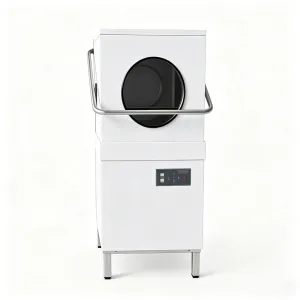
Lavavajillas profesional de campana con bajo consumo de agua y energía
Su clasificación: Serie de lavavajillasVistas: 12Número:Tiempo de liberación: 2026-04-17 15:29:30Este lavavajillas profesional de capota es un equipo de limpieza comercial de alta eficiencia para lugares concurridos de servicio de alimentos. Ahorra agua y energía al tiempo que garantiza un rendimiento de limpieza potente, lo que ayuda a reducir los costos operativos y a mantener altos estándares de higiene.
Noticias
Categoría:
¡Sin resultados de búsqueda!
Caso
Categoría:
¡Sin resultados de búsqueda!
Video
Categoría:
¡Sin resultados de búsqueda!
Descargar
Categoría:
¡Sin resultados de búsqueda!
Reclutamiento
Categoría:
¡Sin resultados de búsqueda!
Productos recomendados
-
NEWS
Lavavajillas profesional de campana con bajo consumo de agua y energía
Conozca más



 Whatsapp
 Teléfono